01
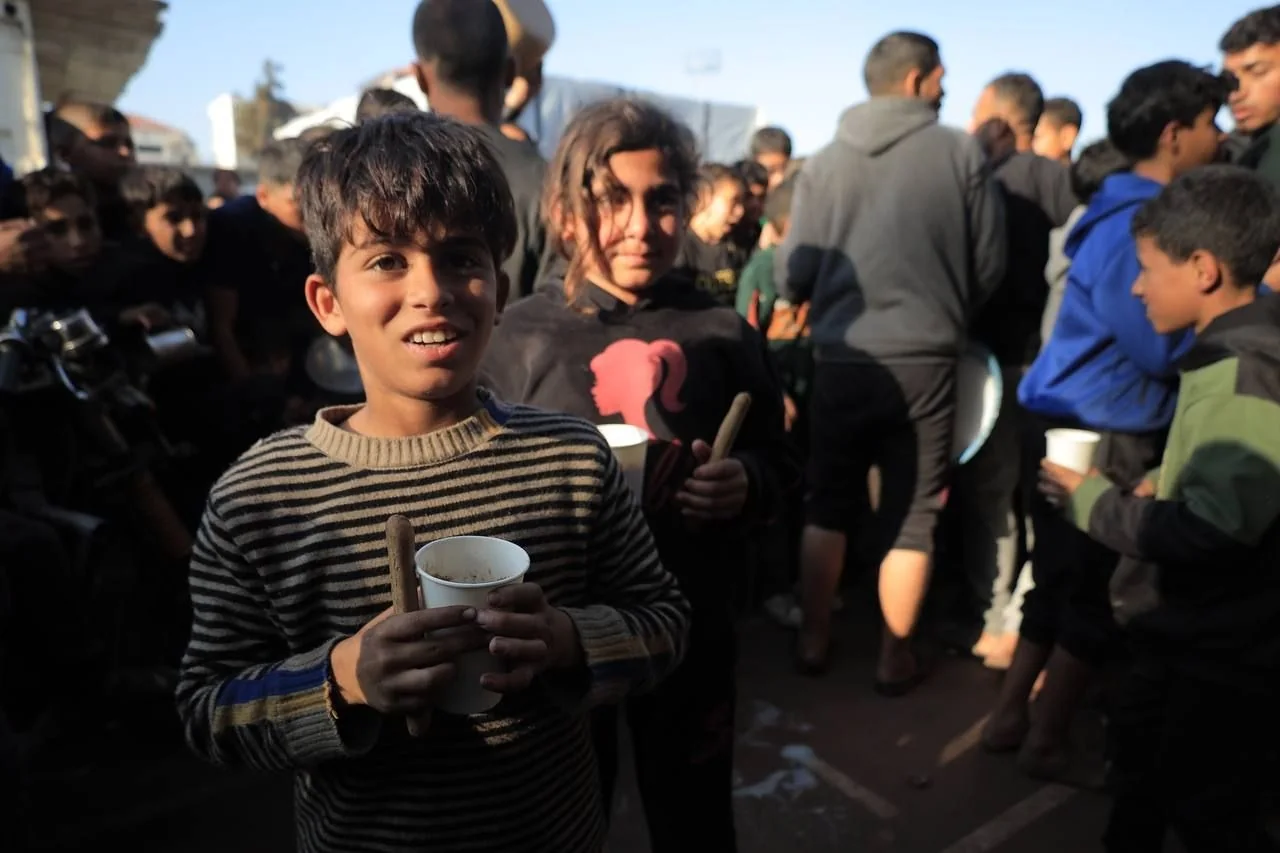
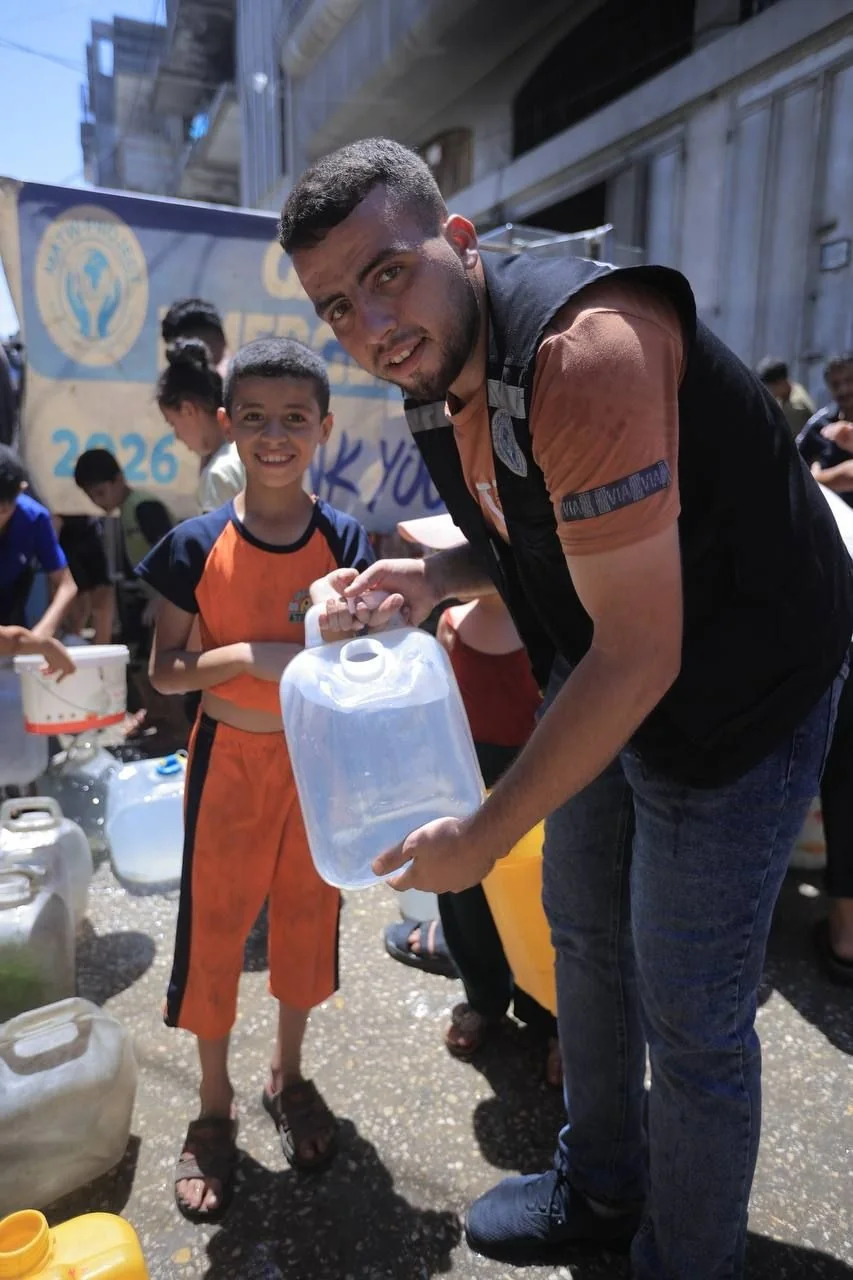
A mother searching for clean water.
A MATW Project humanitarian & educational resource
Before breaking-news alerts, Gaza was the Mediterranean against the shore, crowded family homes, children hurrying to school, fishermen preparing their boats and relatives gathering around meals.
A place. A people. A life interrupted.
More than two million people lived within this narrow coastal territory. They had routines, ambitions, memories and plans for the future.
Then, in October 2023, ordinary families found themselves trapped inside an unprecedented escalation whose consequences would reach almost every neighbourhood and every part of civilian life.
A mother searching for clean water.
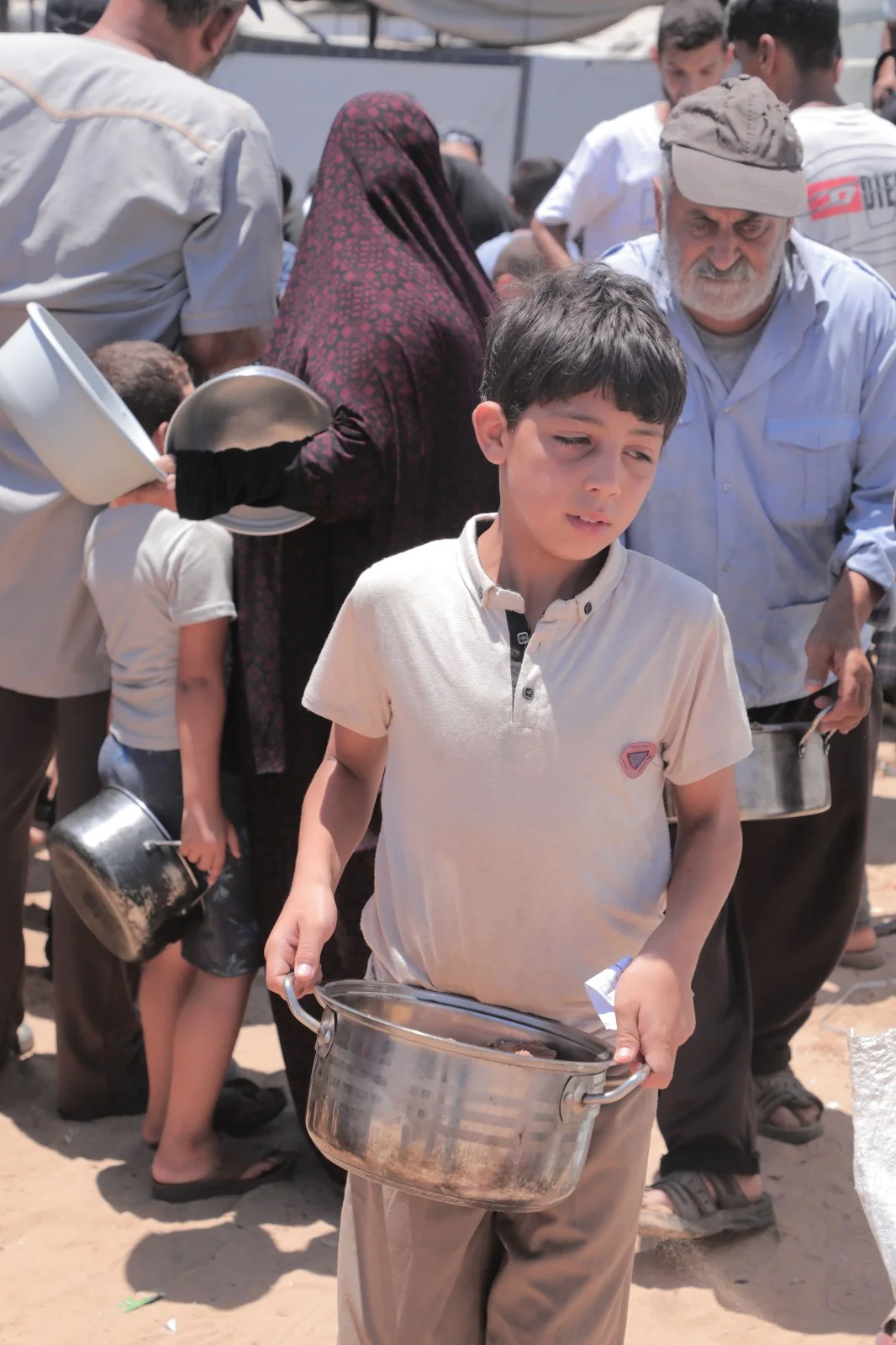
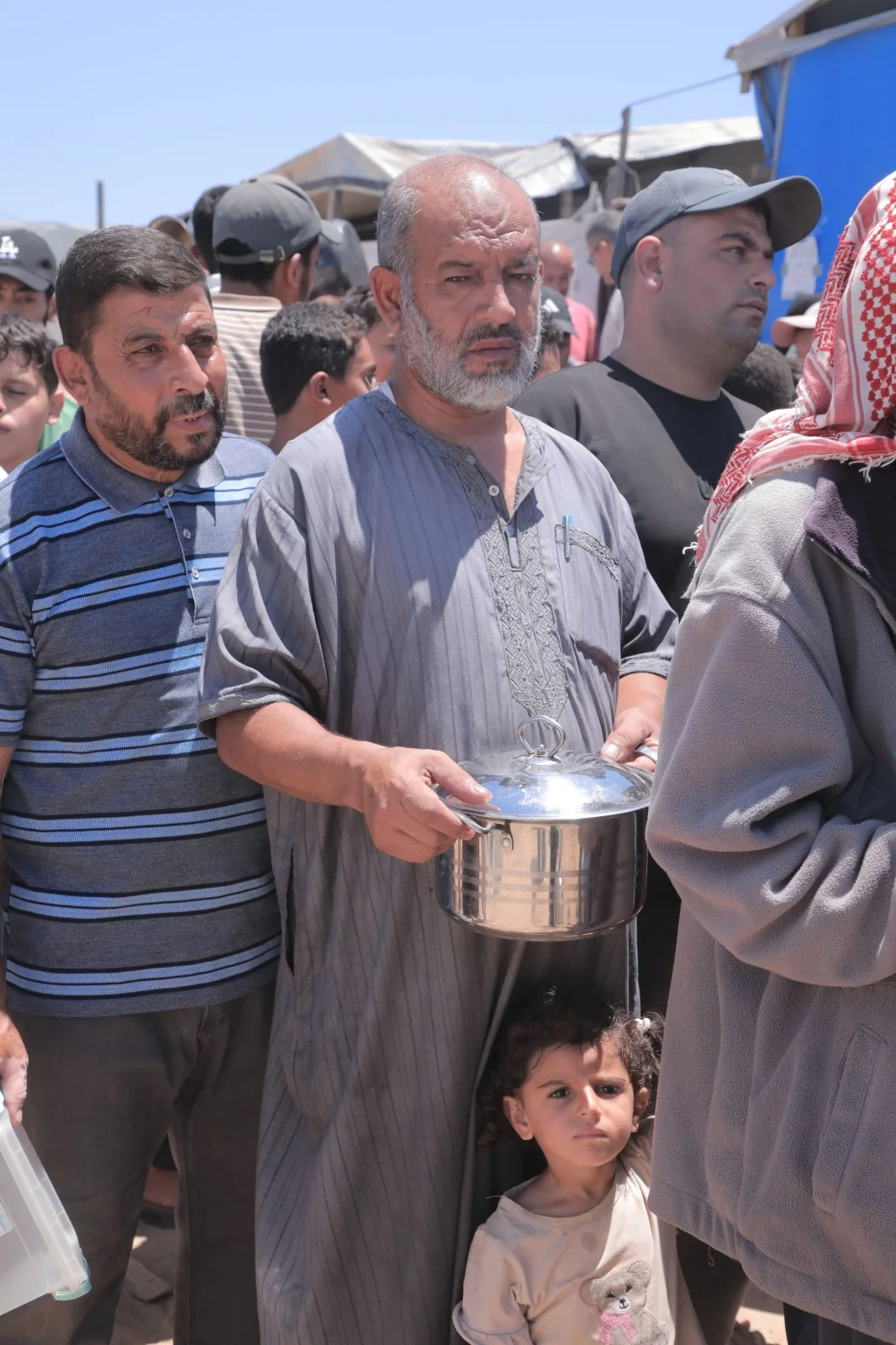
A father trying to find bread.
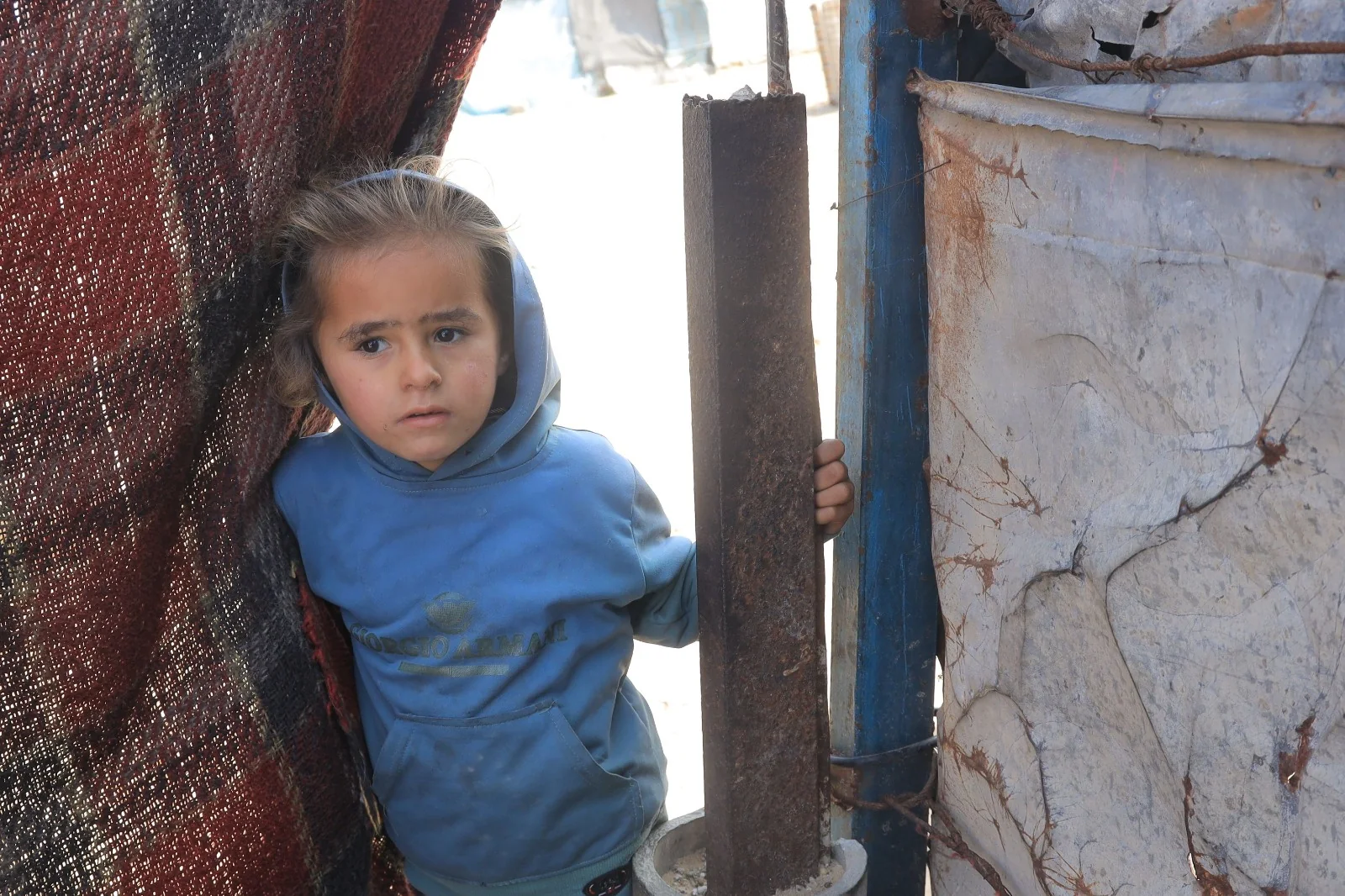
A child asking when they can return home.
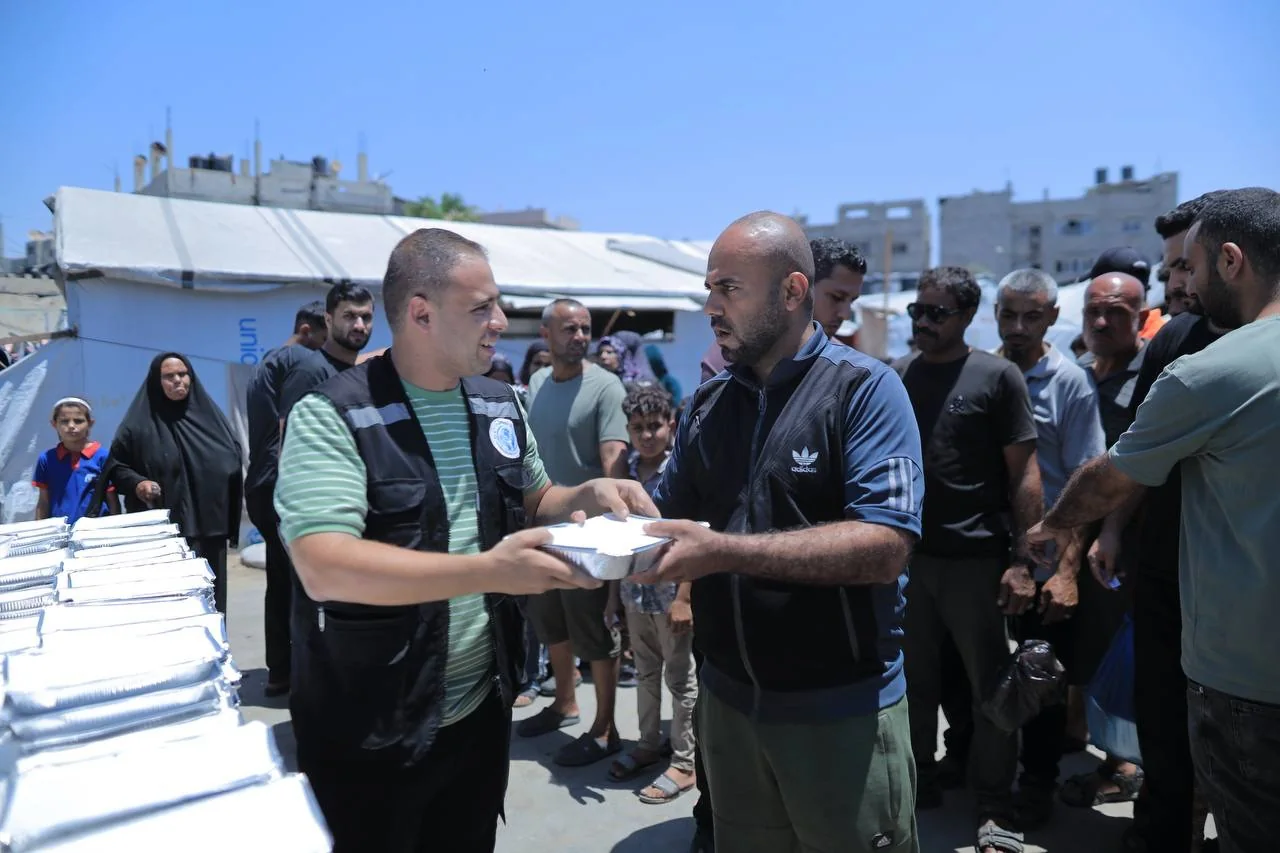
A humanitarian worker adapting to impossible conditions.
Historical context
To understand what happened after October 2023, we must understand that Gaza’s suffering did not begin on one morning. Its story reaches much further back.
During the 1948 Arab–Israeli war and the events Palestinians remember as the Nakba, hundreds of thousands of Palestinians were displaced. Many sought refuge in the narrow coastal territory that became known as the Gaza Strip.
Read the UN overview ↗In June 1967, Israel occupied the Gaza Strip, the West Bank and East Jerusalem. The occupation shaped Palestinian life through military control, movement restrictions and limited access to land and resources.
ICRC: the law of occupation ↗Israel removed its settlements and permanent ground forces from inside Gaza. The physical presence changed, but Gaza did not gain normal control over its borders, airspace or territorial waters.
After Hamas took control of Gaza, Israel imposed a land, sea and air blockade, with Egypt also restricting movement through Rafah. Restrictions damaged the economy and placed sustained pressure on electricity, water, sanitation and healthcare.
Explore the UN history ↗Gaza experienced repeated rounds of armed conflict in 2008–09, 2012, 2014, 2021, 2022 and 2023. Each left homes damaged, livelihoods interrupted and families trying to rebuild under continuing restrictions.
Watch and understand
A United Nations video series introducing key moments in the history of Palestine and the unresolved political question.
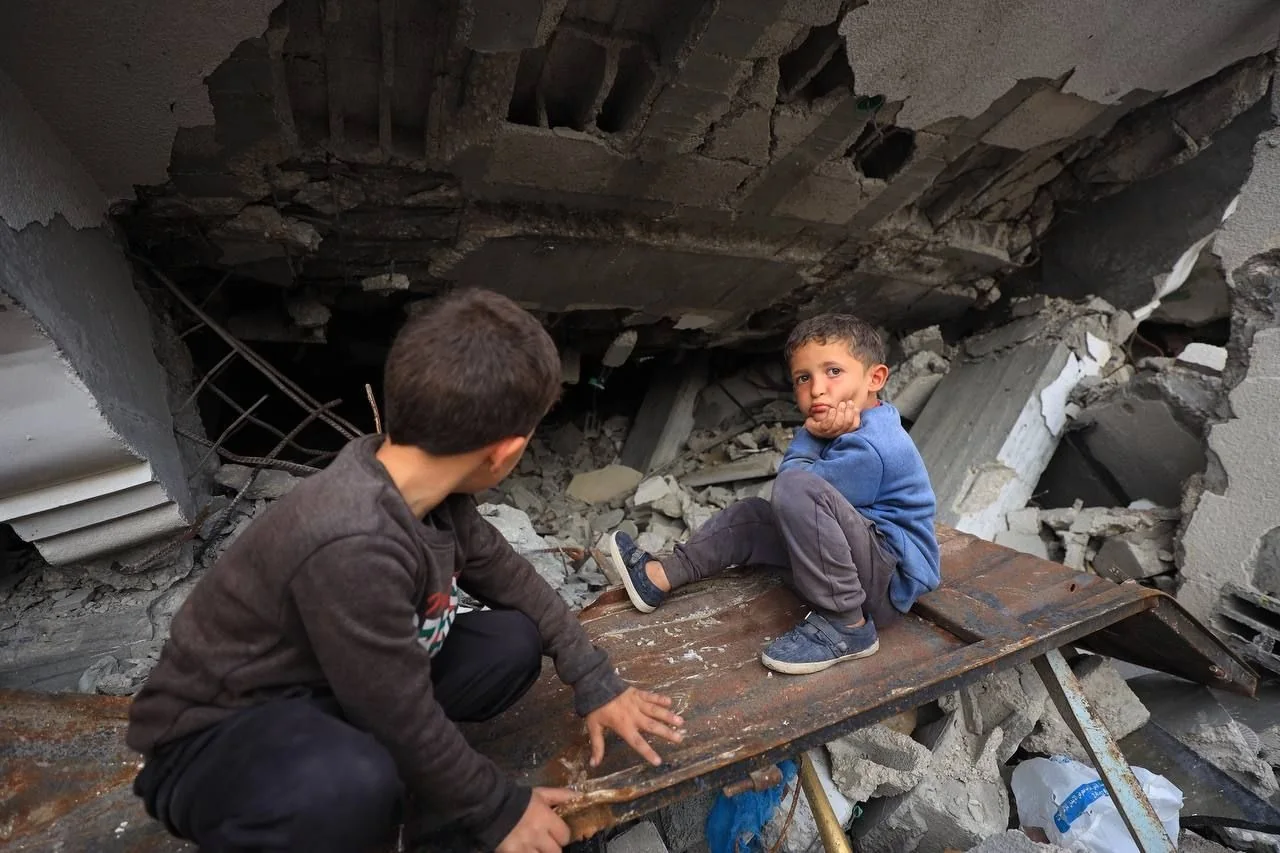
The October 2023 escalation
Hamas and other Palestinian armed groups launched a large-scale attack in southern Israel. Almost 1,200 people were killed, many of them civilians, and 251 people were taken hostage. The killing of civilians, hostage-taking and other abuses caused immense suffering to Israeli families and violated international law.
Israel responded with intensive bombardment, siege measures and a ground military campaign in Gaza. Entire neighbourhoods were struck, civilian infrastructure was damaged or destroyed, and families were repeatedly ordered to move.
Credibility comes from holding both truths. Civilians were deliberately attacked in Israel on 7 October, and Palestinian civilians in Gaza have lived through decades of displacement, occupation, blockade and repeated hostilities.Read the United Nations statement ↗
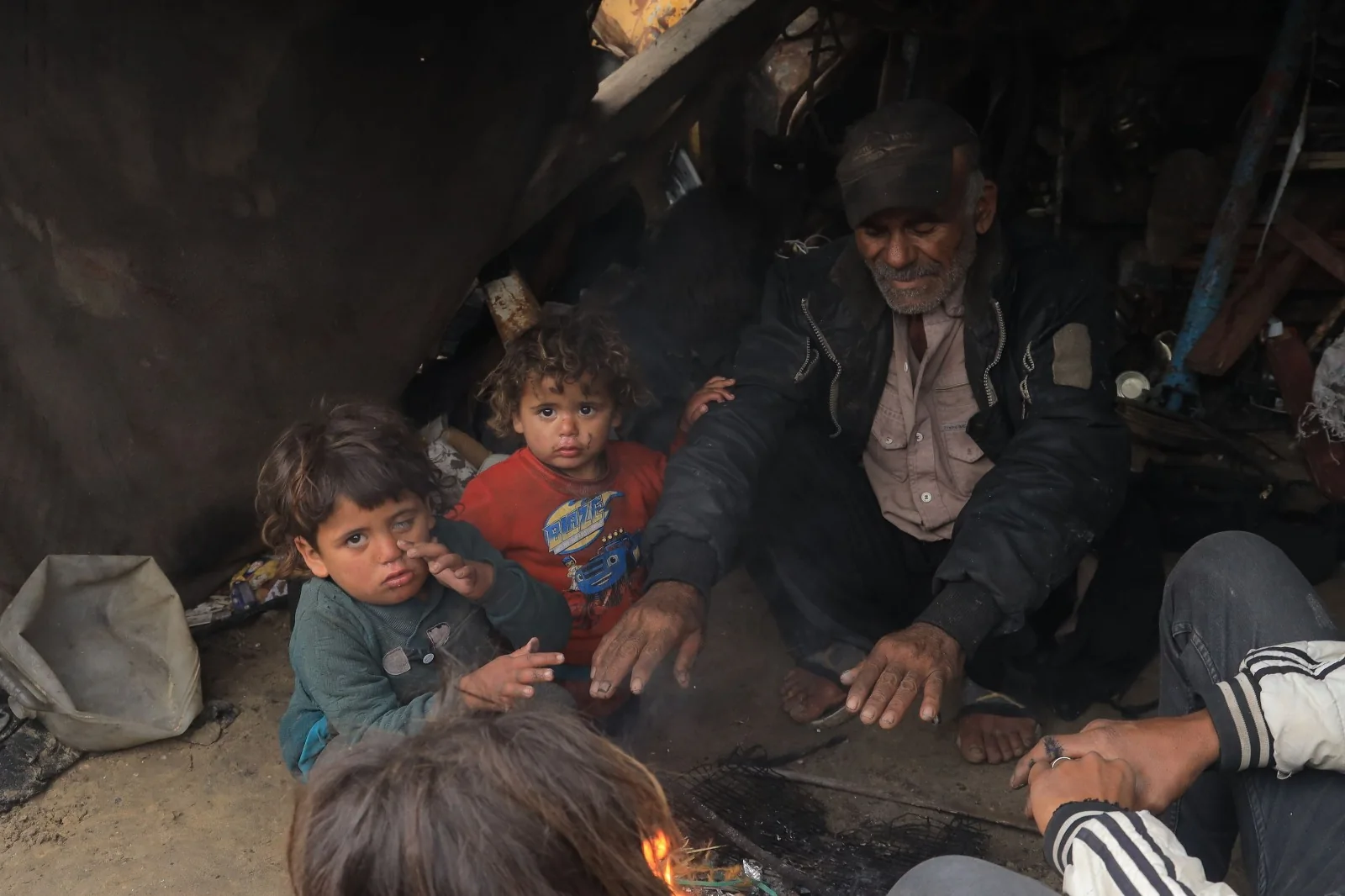
Families fled from one neighbourhood to another, often with only the clothes they were wearing. Many sheltered in schools, hospitals, religious buildings or makeshift structures.
Hospitals treated overwhelming numbers of injured people while facing shortages of fuel, medicine, electricity, equipment and staff.
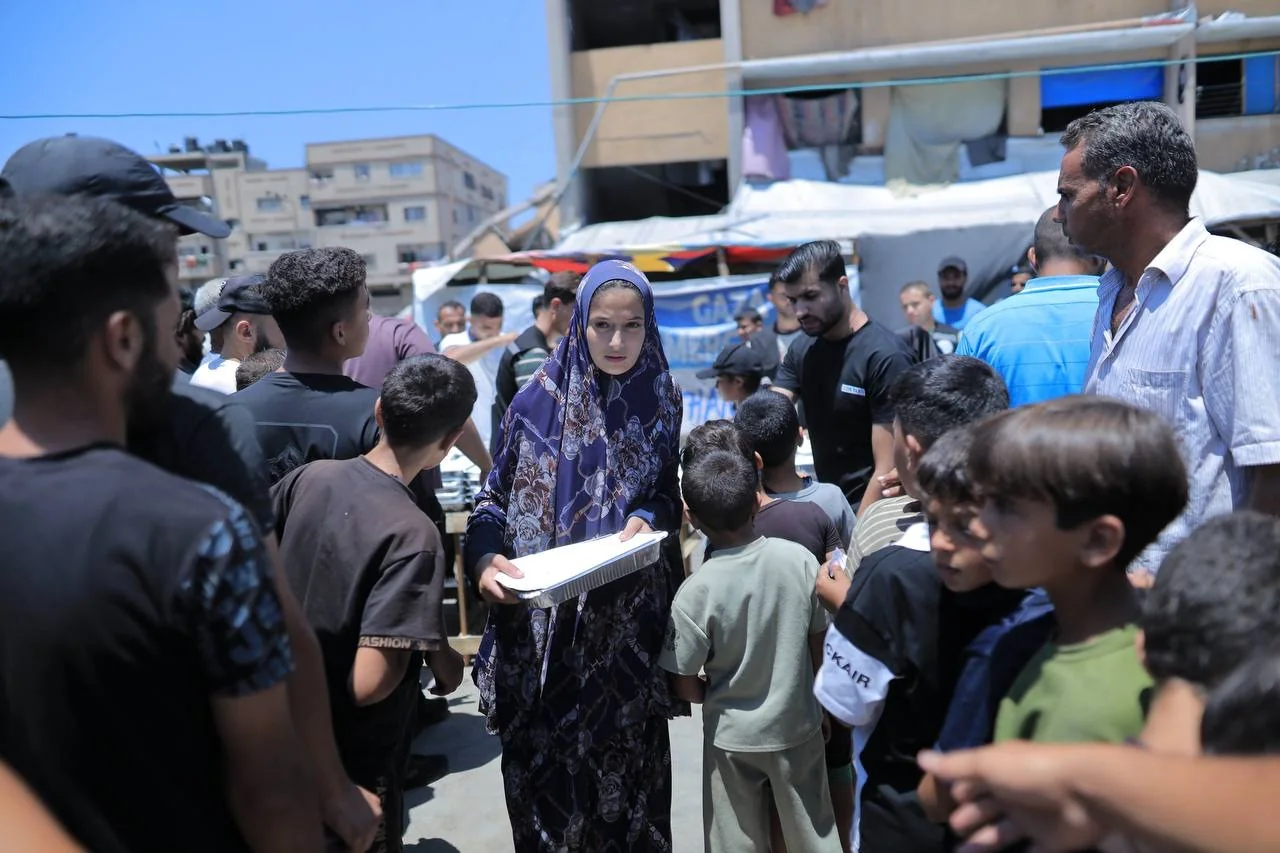
Food systems were disrupted, markets became inaccessible or unaffordable, and humanitarian access was repeatedly constrained.
Dated humanitarian snapshot
OCHA’s 16 July 2026 report described continuing military activity, renewed displacement and severe restrictions on humanitarian access.
Read the OCHA reportThe collective humanitarian response
No single charity owns Gaza’s humanitarian story, and no organisation can meet the scale of need alone.
Palestinian-led ambulance, emergency medical, hospital and wider humanitarian services under extraordinarily dangerous conditions.
Visit official site ↗Locally delivered food, water, medicine, hygiene support, education and psychosocial services through community partnerships.
Explore the response ↗Medical care, food, water, essential supplies, mental-health support and recovery work for Palestinian children and families.
Visit official site ↗Palestinian-led healthcare, emergency medicine, nutrition, rehabilitation, disability inclusion and mental-health support.
Learn about the work ↗Food, water, healthcare and essential relief, with Zakat options where eligible under its programme policies.
Visit the appeal ↗A humanitarian response bigger than one logo. Local responders, volunteers, medical workers, community kitchens, UN agencies and donors all form part of the humanitarian ecosystem keeping people alive.
MATW Project in Gaza
The emergency required speed, but speed depends on preparation.
MATW Project had an established presence in Palestine before October 2023, including food and water assistance and support for vulnerable families and orphans. When the emergency began, that presence allowed the organisation to move from regular programming into emergency response without building an operation from nothing.
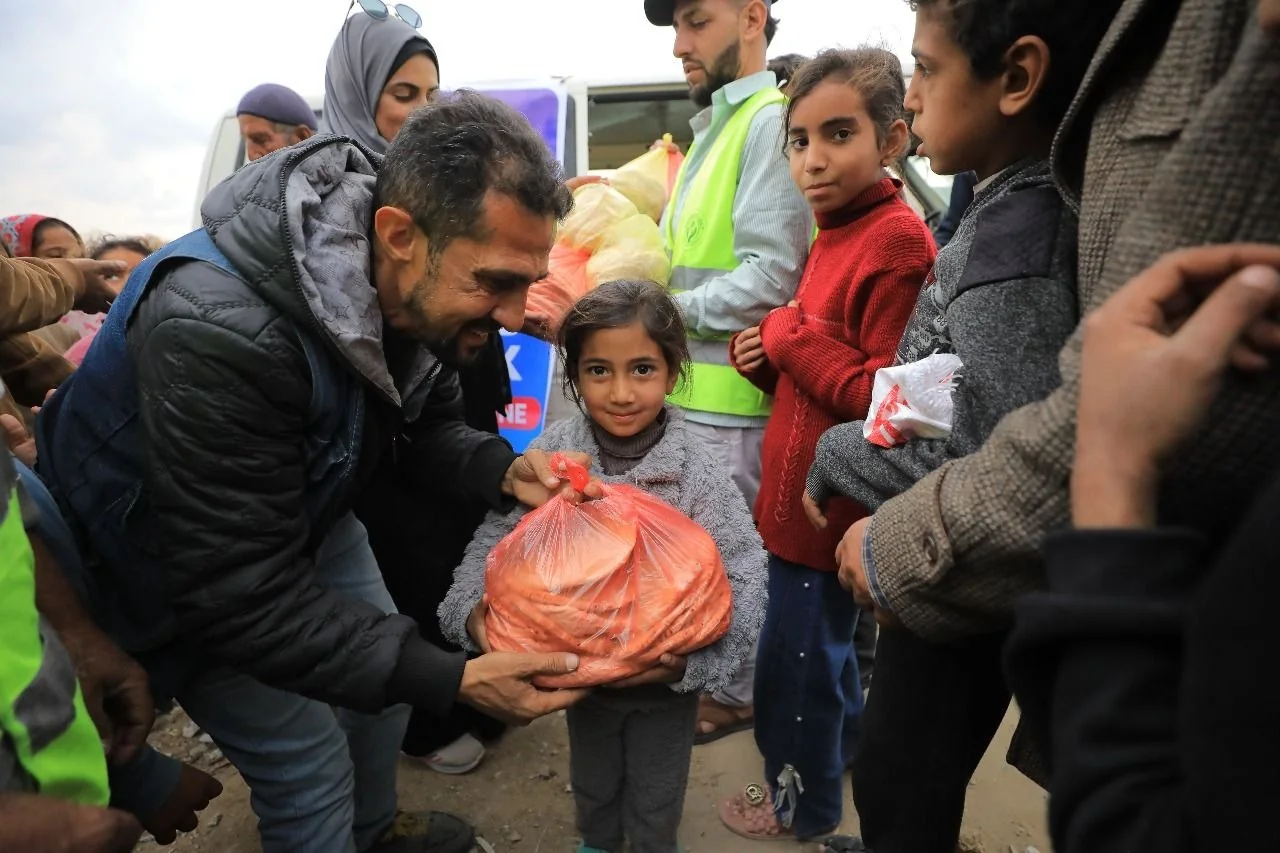
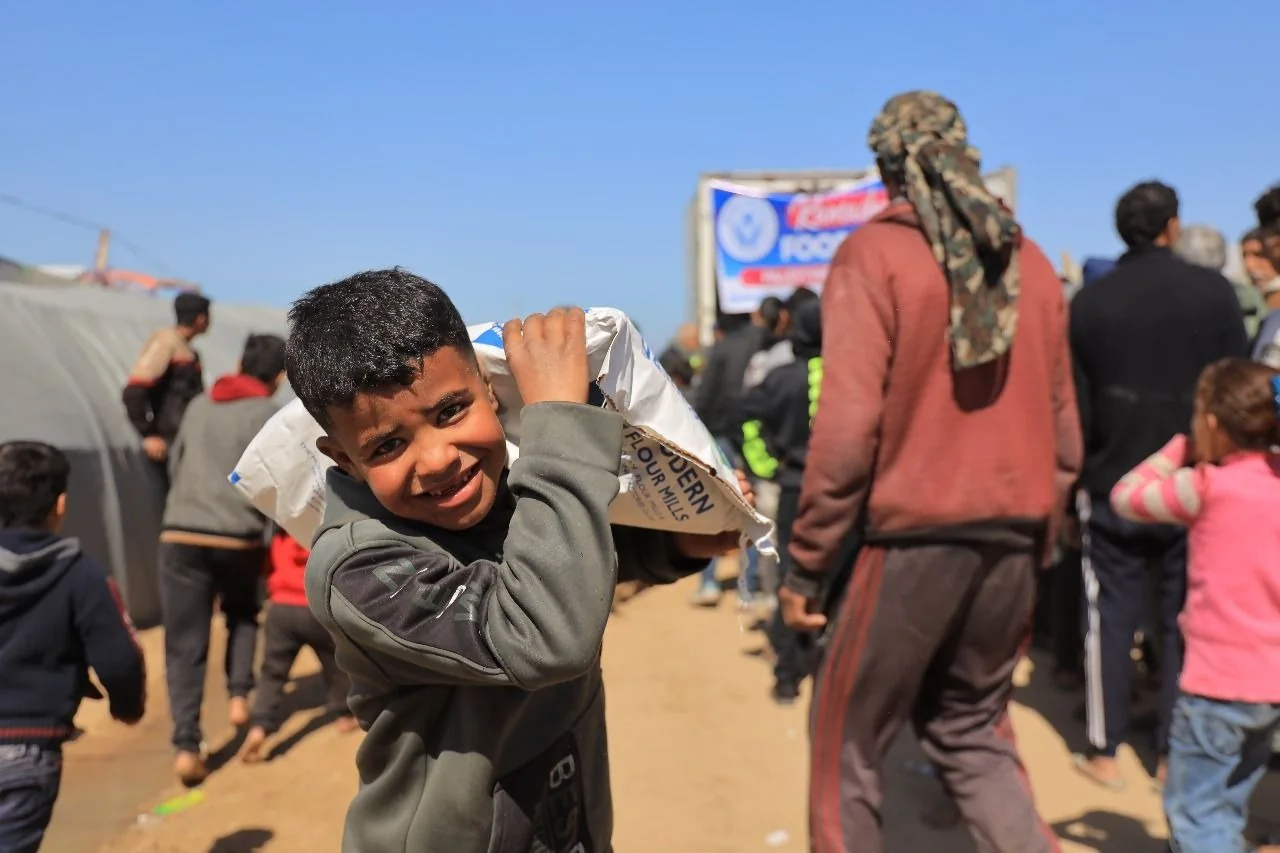
MATW states that its teams began responding on 8 October 2023. Its first published report documents food packs, hot meals, drinking water, blankets, mattresses and medical kits during October.
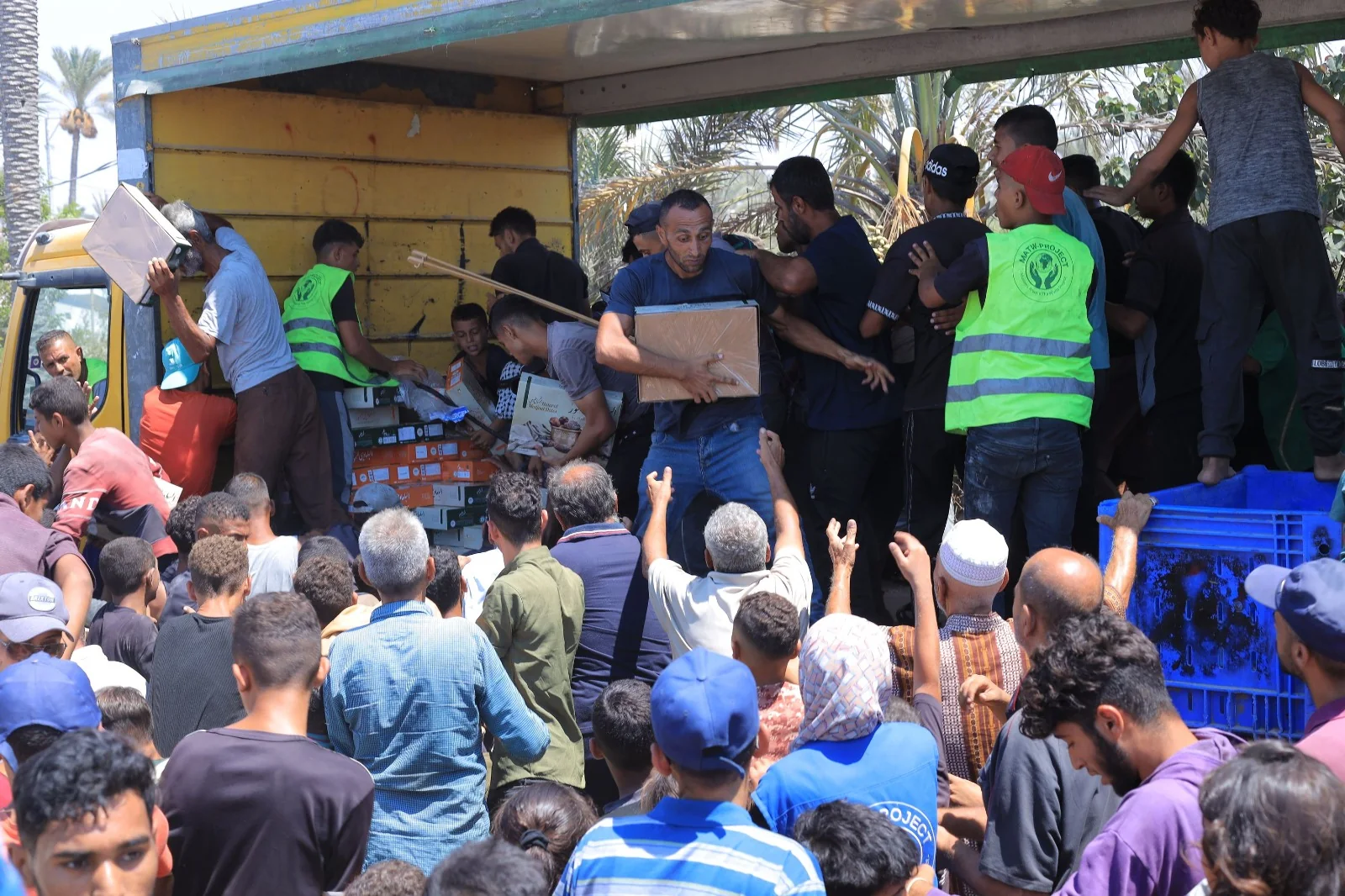 Preparedness before an emergency can determine whether relief begins now or weeks later.
How delivery continues
People who understand the language, geography, communities and changing conditions can assess urgent needs and adapt distributions as access changes.
Warehouse capacity and prepared stocks can help sustain distributions when crossings are restricted or unpredictable.
Partnerships combine local access, technical knowledge, facilities and supply capacity. MATW’s early reporting records cooperation with UNRWA and support connected to Gaza’s health system.
Relief can move from immediate food, water, shelter and medical care to hygiene support, education, rehabilitation, orphan care and longer-term infrastructure.
Campaign pages, reports, videos and field updates allow donors to see how the response develops beyond the first weeks of a crisis.
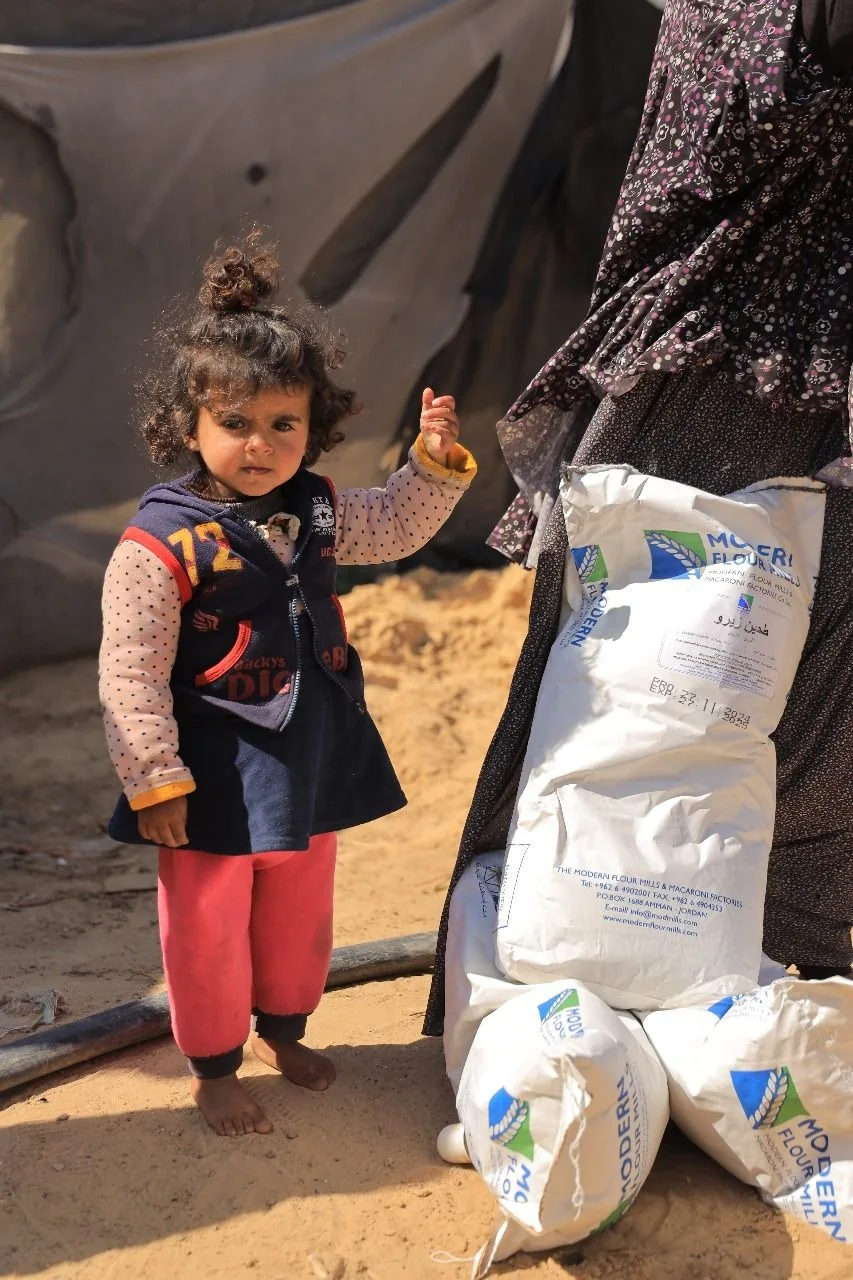
Gaza’s orphaned and separated children
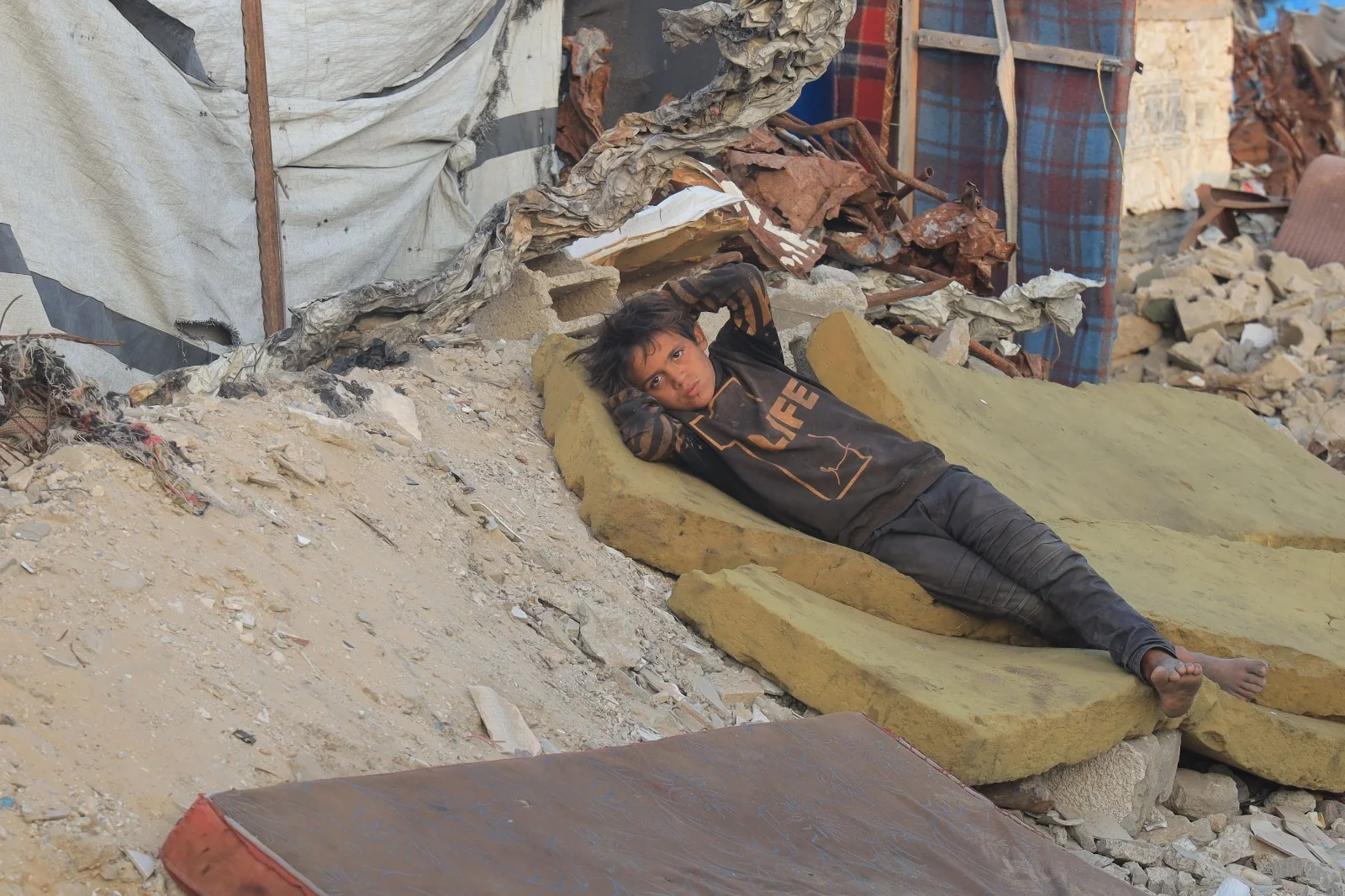
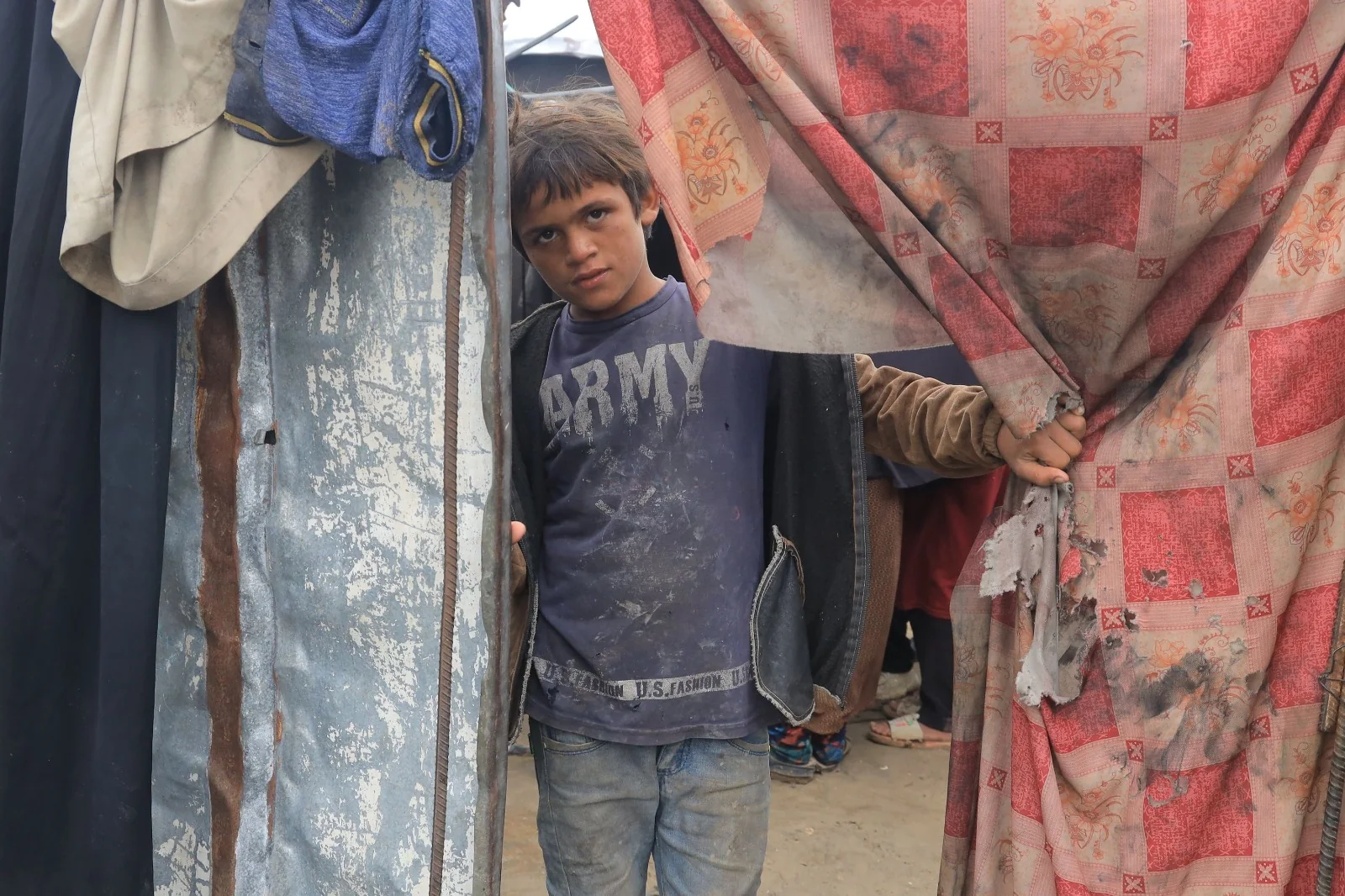
Some children have lost one parent. Some have lost both. Others have been injured, separated from relatives or placed in the care of extended family members who are themselves displaced and struggling to survive.
Video library
Independent and humanitarian sources first, followed by operational content from MATW Project.
Balanced donation directory
Choose an organisation whose expertise matches the kind of support you want to provide.
Emergency essentials, community meals, clean-water support and longer-term care for orphaned and vulnerable children.
Palestinian-led emergency medical, ambulance, hospital and humanitarian services.
Food, water, medicine, hygiene, education and psychosocial support through local staff and partnerships.
Medical care, recovery, mental-health support, essential supplies and orphan sponsorship.
Palestinian-led health services, emergency medicine, nutrition, rehabilitation and mental-health support.
Essential humanitarian assistance with Zakat options where eligible under programme policies.
The final narrative
The suffering of Gaza is too large for one charity, one country or one community to address alone. A meal delivered by one organisation does not reduce the value of water delivered by another. What matters is that help reaches people—safely, with dignity and accountability.
Gaza’s people are not statistics. They are not content. They are not a temporary headline.
Frequently asked questions
The current major escalation began on 7 October 2023, but the wider Israeli–Palestinian conflict and Gaza’s humanitarian crisis have a much longer history. Gaza’s population includes refugees and descendants of people displaced in 1948. Israel occupied Gaza in 1967, withdrew settlements and permanent forces from inside the territory in 2005, and imposed a blockade after Hamas took control in 2007.
Hamas and other Palestinian armed groups attacked southern Israel. Almost 1,200 people were killed, many of them civilians, and 251 people were taken hostage. Israel then launched a large-scale military campaign in Gaza involving bombardment, siege measures and ground operations.
A credible account should neither erase the victims of 7 October nor treat Gaza’s history as though it began that morning. This page acknowledges Israeli civilian suffering while explaining the decades of displacement, occupation, blockade and repeated hostilities experienced by Palestinians in Gaza.
Many organisations are involved, including PRCS, Anera, PCRF, MAP, Islamic Relief Worldwide, MATW Project, UN agencies and local Palestinian organisations. Each has different expertise and operational reach.
MATW states that its response began on 8 October 2023. Its first published impact report documents emergency distributions during October and describes pre-existing programmes, prepared supplies, assistance for Al-Shifa Hospital and cooperation with UNRWA.
MATW describes using local teams, partnerships, local suppliers, warehouses and prepared supplies. Conditions remain difficult and delivery can be disrupted, but these foundations help the organisation continue food, water and other humanitarian programmes.
The humanitarian need is too large for any single organisation. Multiple reputable options improve trust and allow donors to choose the expertise and organisation that best matches their priorities.
Use dated reports from the United Nations Office for the Coordination of Humanitarian Affairs. This page links to OCHA impact snapshots and situation reports whenever it displays changing data.
Primary editorial sources
Changing humanitarian figures are dated and linked to current source pages. Links open on the original publishers’ websites.